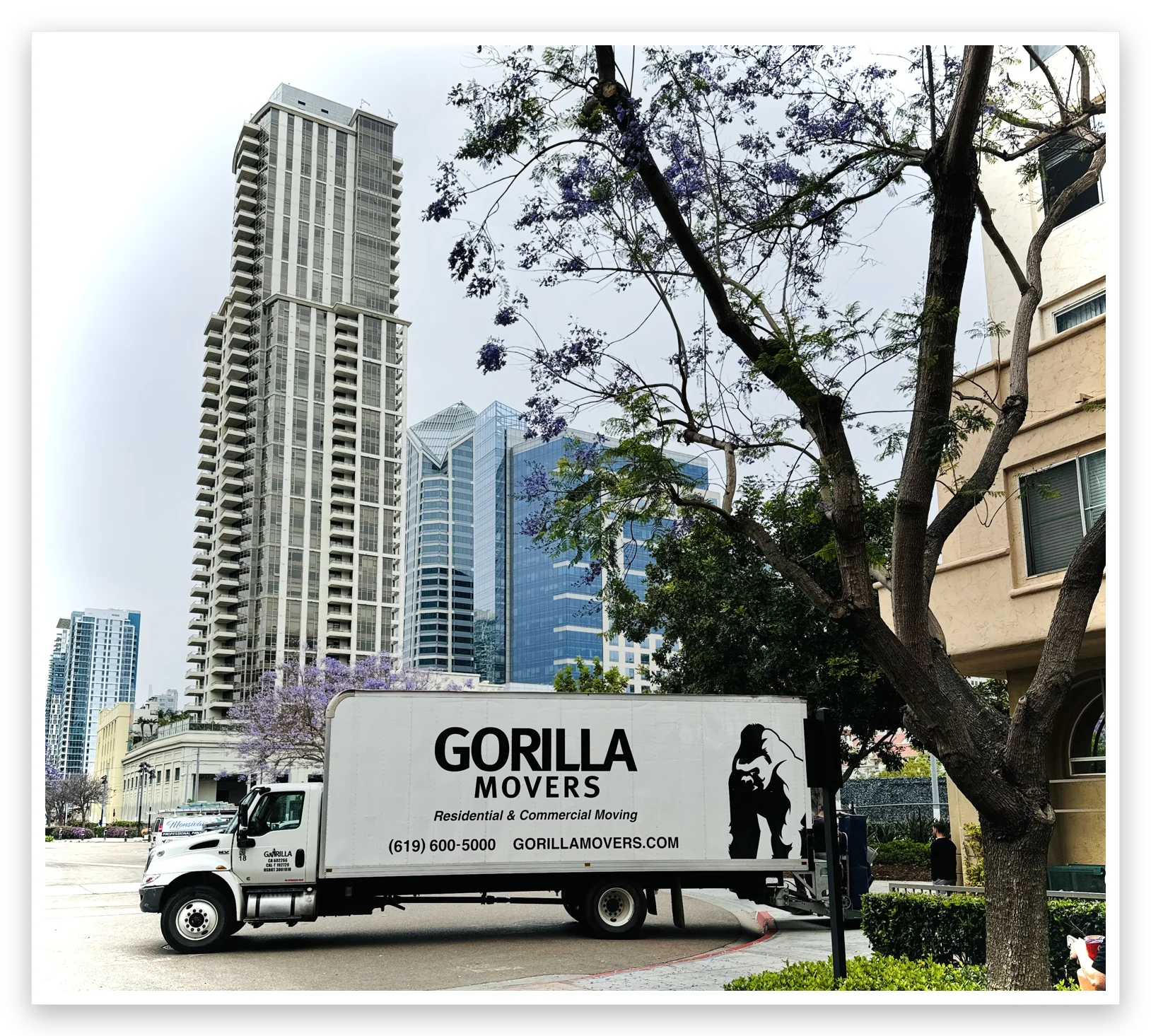
An industrial moving company should hold a USDOT number registered with the FMCSA, Motor Carrier (MC) operating authority for any interstate work, a state motor carrier permit for in-state operations (in California, a CAL T number, ours is CAL T-192729), OSHA safety training plus rigging and forklift certifications for its crews, CDL-licensed and screened drivers, and insurance spanning liability, cargo, and workers' compensation. Every one of these is verifiable before you sign, and an uncertified mover leaves your business holding the risk.
Why the paperwork check comes first
Industrial moves combine everything that can go expensively wrong: oversized machinery, public roads, worksite safety, and equipment worth more than the trucks carrying it. Certifications exist because regulators learned, the hard way, repeatedly, what happens without them. For you, they're a fast filter: a company that maintains its credentials has been vetted by someone whose job is vetting.
The inverse is the real argument. An uncertified mover may lack the insurance to cover a dropped machine, the training to rig it safely, and the accountability to answer for either. If their forklift operator injures someone on your site, or your equipment arrives as scrap, the liability doesn't politely stay with them, it finds the business that hired them. Verification is an hour of work that insures against that entire category of disaster.
One distinction before the list: an industrial mover is not a household mover with bigger trucks. The work happens in factories, warehouses, and plants, and it involves dismantling, rigging, transporting, and reinstalling machinery that was never designed to move. The certifications below exist because that work sits at the intersection of transportation law and workplace safety law, and a mover needs standing in both.
The federal layer: USDOT numbers and MC authority
Two federal credentials do different jobs, and industrial movers doing interstate work need both. A USDOT number, issued through the Federal Motor Carrier Safety Administration, is the company's identity in the federal safety system, it ties the operator to inspection records, audit history, and compliance standing, all publicly searchable. Ours is USDOT 3801918, and you can look it up right now, which is precisely the point.
Motor Carrier (MC) authority is the second piece: the legal permission to haul cargo for hire across state lines. A mover can hold a DOT number and still lack interstate authority, which limits them to in-state work. If your machinery is crossing into Arizona or beyond, verify both, the DOT number for safety standing, the MC authority for legality. Long-haul industrial loads also bring hours-of-service rules, securement standards, and vehicle maintenance requirements, and the FMCSA's records show whether a carrier actually meets them.
Federal licensing additionally requires proof of financial responsibility and minimum insurance, so an active federal record quietly confirms several other boxes at once.
The California layer: state permits
Interstate credentials don't cover the mover working entirely inside California. In-state operators carry state motor carrier permits, the CAL T number you'll see on legitimate San Diego movers, including our CAL T-192729. State permitting brings its own insurance minimums and its own accountability trail with California regulators.
Industrial work adds a local layer on top: oversized-load permits, road-use restrictions, and municipal rules that vary by city and county. A mover who regularly runs heavy loads through San Diego knows which routes tolerate what weight and which permits take how long. That knowledge doesn't show up on a certificate, but it shows up on your schedule.
The practical takeaway: ask early which permits your specific move needs and who is pulling them. Oversized-load permits have processing times, and a mover who hasn't budgeted for them delivers your machinery late through no fault of the truck. When we quote an industrial job, permit responsibility is assigned in writing, it's a boring sentence that prevents an expensive week.
Crew-level certifications: where safety actually happens
Company licenses get the trucks on the road; crew certifications get the machinery onto them safely. The people rigging, lifting, and driving are where industrial moving risk concentrates, so their training is what to probe.
Ask one sharpening question here: are the people on my job your employees, and can I see the training records for this specific crew? Certifications held by a company mean little if the labor is hired the morning of the move. Our crews are uniformed employees we train ourselves, and on an industrial job, that consistency is a safety control, not a branding choice. The credentials that matter on the floor:
- OSHA safety training for crew members working industrial sites
- Rigging and signalperson certifications where cranes or hoists are involved
- Forklift operator certification for loading and staging
- CDLs with the proper endorsements for heavy and specialized vehicles
- Hazmat training and endorsements when regulated materials are in scope
- A driver screening program: background checks, drug and alcohol testing, current medical certificates, and maintained qualification files, all FMCSA requirements for carriers
Insurance: the certification that pays the bills
Credentials prevent most disasters; insurance pays for the rest. Industrial movers should carry three coverages, and you should see certificates for each: liability insurance for damage or injury the mover causes, cargo insurance protecting the machinery in transit, and workers' compensation covering the crew. Ask for the cargo coverage limit specifically and compare it to your equipment's replacement value, a policy capped far below what's on the truck is a polite fiction.
Without proper coverage, a transit loss becomes a negotiation with a company that can't pay, and businesses lose those negotiations. With it, a bad day becomes a claim. This is the least interesting section of any moving contract and the most important one.
If your facility or landlord requires a certificate of insurance naming them as additionally insured, common in managed industrial parks, a legitimate mover produces it in a day. Treat that request as a free test: how fast and how cleanly the COI arrives predicts how the rest of the project's paperwork will go.
How to verify all of it in ten minutes
None of this requires trust, it's all checkable, most of it from your desk before you ever request a quote. Run the federal lookups first since they're instant, then ask the mover directly for the state permit, training records, and insurance certificates. A company that handles industrial work weekly will have this package ready; hesitation anywhere in the table below is your answer.
| Credential | Who issues it | How to verify |
|---|---|---|
| USDOT number | FMCSA (federal) | Free lookup in the FMCSA SAFER database, status, inspections, safety record |
| MC operating authority | FMCSA (federal) | Same FMCSA lookup, confirms active interstate authority |
| State motor carrier permit (CAL T) | California state regulators | Ask for the number; verify through the state's carrier lookup |
| OSHA / rigging / forklift training | Accredited training programs | Request current training records for the crew assigned to your job |
| CDLs and driver screening | State DMV / carrier program | Ask how driver qualification files and testing programs are maintained |
| Liability, cargo, workers' comp | Insurance carriers | Request certificates of insurance naming your business, with visible limits |