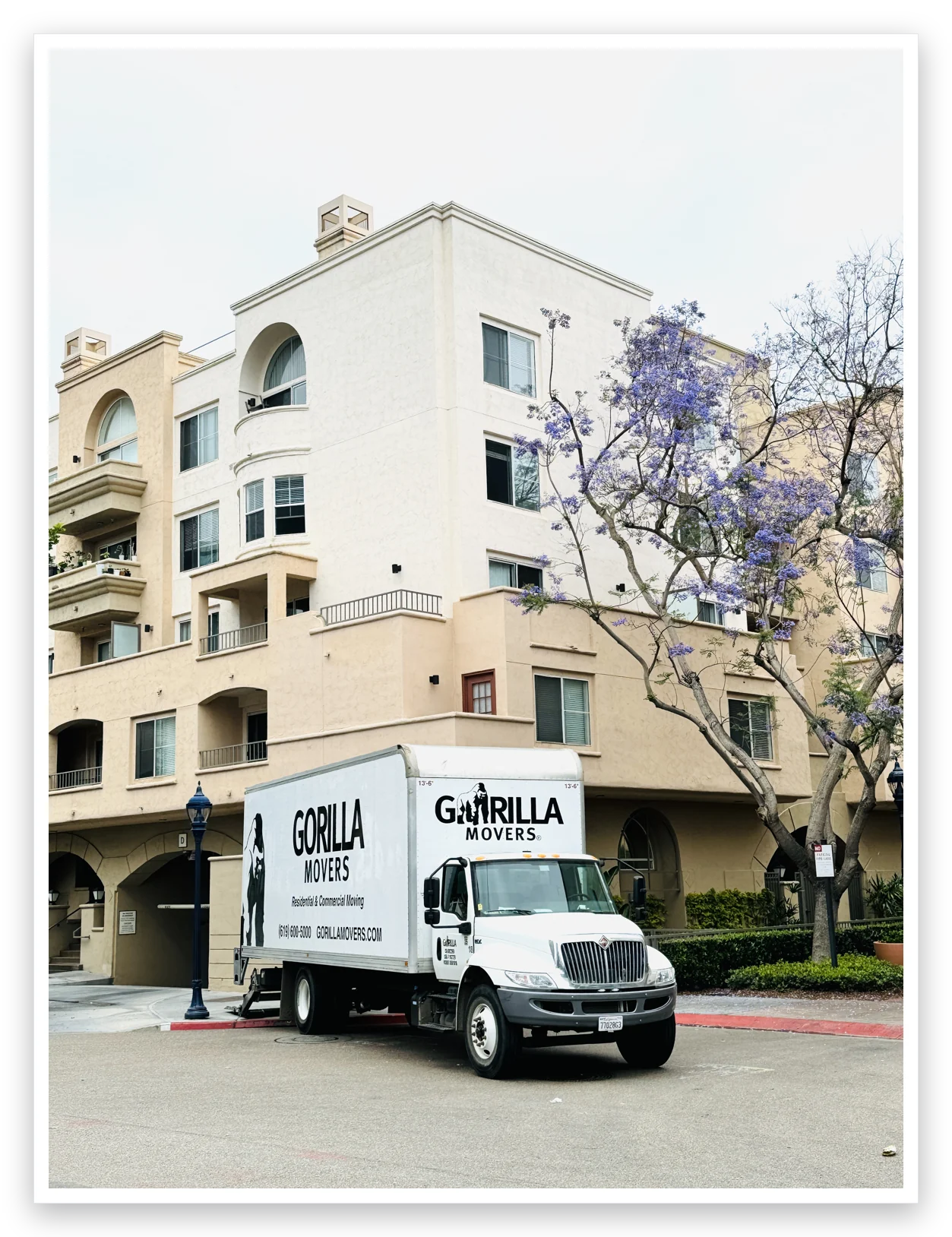
When choosing movers, weigh five factors in order: valid licensing and insurance (non-negotiable), a reputation you can verify through volume of recent reviews and years in business, a pricing model that's written and itemized, services that actually match your move, and real equipment with employee crews rather than day labor. Price matters, but only after the first two factors filter the field.
Licensing and insurance: the pass/fail question
Start here because it eliminates the most risk per minute spent. In California, household movers must hold a permit from the state (look for a CAL T number, ours is CAL T-192729, verifiable through the state's public lookup) and interstate movers need USDOT registration (ours: 3801918). A mover operating without these isn't a bargain; they're a liability you're inviting to handle everything you own.
Insurance rides alongside: a legitimate company carries liability and cargo coverage and can produce a certificate of insurance on request, apartment and condo buildings will often demand one anyway. If a company hesitates on any of this paperwork, the interview is over. No other factor on this list can compensate.
Reputation you can actually verify
Skip the website testimonials, every company curates those. Look at third-party volume and recency instead: hundreds of reviews accumulated over years beats a dozen perfect ones posted last month. Read the negative reviews specifically, and watch how the company responds; a business that answers criticism professionally will treat your problem the same way. Check standing with the Better Business Bureau, confirm a physical address you could actually drive to, and give bonus weight to longevity, a company that's survived many years in a competitive market did it by not burning customers. For calibration: we've been at this since 2008, hold a BBB A+ rating, and 97.9% of our work comes from repeat customers and referrals. Those are the kinds of numbers to ask any mover about.
- Volume + recency of reviews, not just the star average
- How the company responds to bad reviews
- Physical address and a phone a human answers
- Years in business under the same name, name changes can hide bad history
A pricing model you can read
Good movers price transparently; the structure matters less than the visibility. Local moves are typically hourly, long-distance by weight or volume, either is fine when it arrives in writing, itemized, before you commit. What you're checking: is the hourly rate stated plainly, are fuel and travel their own line items or buried, what's included (equipment, pads, disassembly, wardrobe boxes), and what triggers extra charges (stairs, long carries, bulky items).
Red flags cluster here more than anywhere: quotes far below every competitor, large cash deposits demanded up front, estimates given without asking a single question about your inventory, and any reluctance to put numbers on paper. A real estimate requires real information, a walkthrough, a video call, or at minimum a detailed conversation. We quote from that conversation in writing within one business hour, rate and fuel itemized. That's the standard to hold anyone to.
Services that match YOUR move
The best mover for someone else may be wrong for you. Map your actual needs against what each company offers: packing and unpacking if the calendar's tight, specialty handling if you own a piano or art or a safe, storage if there's a gap between homes, and flexibility if your dates might slide with escrow. A company doing everything in-house, pack, move, store, gives you one accountable party instead of a relay race of vendors.
Ask direct questions about your hardest items. 'Have you moved a piano down a curved staircase?' gets you a more useful answer than 'are you experienced?' Any mover worth booking will describe their approach specifically, including what they'd crate and how they'd protect it.
Equipment and crews: who actually shows up
The company on the contract and the people at your door aren't always the same thing. Ask directly: are crews employees or day labor hired that morning? Employees are trained on the company's methods, background-checked, and accountable; day labor is a coin flip carrying your dresser. Ours are uniformed employees, every job, it's one of the questions we most wish customers asked more often.
Equipment tells the same story. Well-maintained trucks sized to the job, dollies, pads, floor protection, and proper tools signal a real operation. A crew arriving in a rented box truck with no pads signals improvisation. You can gauge much of this from the estimate visit and from photos in reviews, and if it matters to you where your money lands, ask what the company puts back into the community, too. Five dollars from every one of our moves goes to the Dian Fossey Gorilla Fund, which tells you something about how a company thinks beyond the invoice.