Climate-controlled storage holds temperature and humidity steady, typically between 55 and 85 degrees with humidity around 55%, which prevents the warping, cracking, corrosion, and mold that fluctuating conditions cause. It's important for wood furniture, electronics, art, instruments, photos, documents, and leather, and it matters more the longer items stay stored, because environmental damage accumulates quietly and can't be undone.
What 'climate-controlled' actually promises
The term gets stamped on a lot of marketing, so here's the substance: a climate-controlled facility maintains temperature in a steady band, typically 55 to 85 degrees Fahrenheit, and holds humidity near 55%, regardless of what's happening outside. Units sit inside a building, which adds continuous air circulation plus a physical barrier against dust, pests, and dirt.
The key word is steady. A single hot afternoon rarely ruins anything; it's the daily cycling between conditions that works materials apart. Stability is the entire product.
San Diego's climate is gentler than it is harmless
Locals assume our mild weather makes climate control unnecessary, and it's a reasonable guess, that happens to be wrong for storage. Coastal neighborhoods live with marine-layer humidity that works into fabric, paper, and wood month after month. Inland, September heat waves push interiors of unmanaged storage well past comfortable, and an enclosed metal unit amplifies every one of those swings. The result is the classic San Diego storage surprise: things put away in 'perfect weather' come out a year later smelling of damp or showing a lifted veneer.
The items that genuinely need it
Materials that absorb moisture or mind temperature are the vulnerable ones. If it's on this list and stored longer than a season, give it managed conditions.
- Wood furniture, joints and veneers warp and crack as humidity cycles
- Electronics and appliances, heat ages components; moisture corrodes contacts
- Artwork, photographs, books, and documents, humidity is their slow fire
- Musical instruments, arguably the most climate-sensitive things people own
- Leather and upholstered furniture, mildew and stiffness in damp, cracking in heat
- Antiques and heirlooms, age makes every material on this list more fragile
And the times you can honestly skip it
Not everything needs the upgrade. Plastic bins of decorations, garage tools, outdoor gear, and metal shelving shrug off ordinary conditions, and very short-term storage, a few weeks in mild months, carries little risk for most goods. The honest framework: match the money to the sensitivity of the items and the length of the stay. What we push back on is skipping climate control for long-term storage of anything meaningful, because by the time damage is visible, it's permanent. There's no un-warping a tabletop.
What to verify before you book
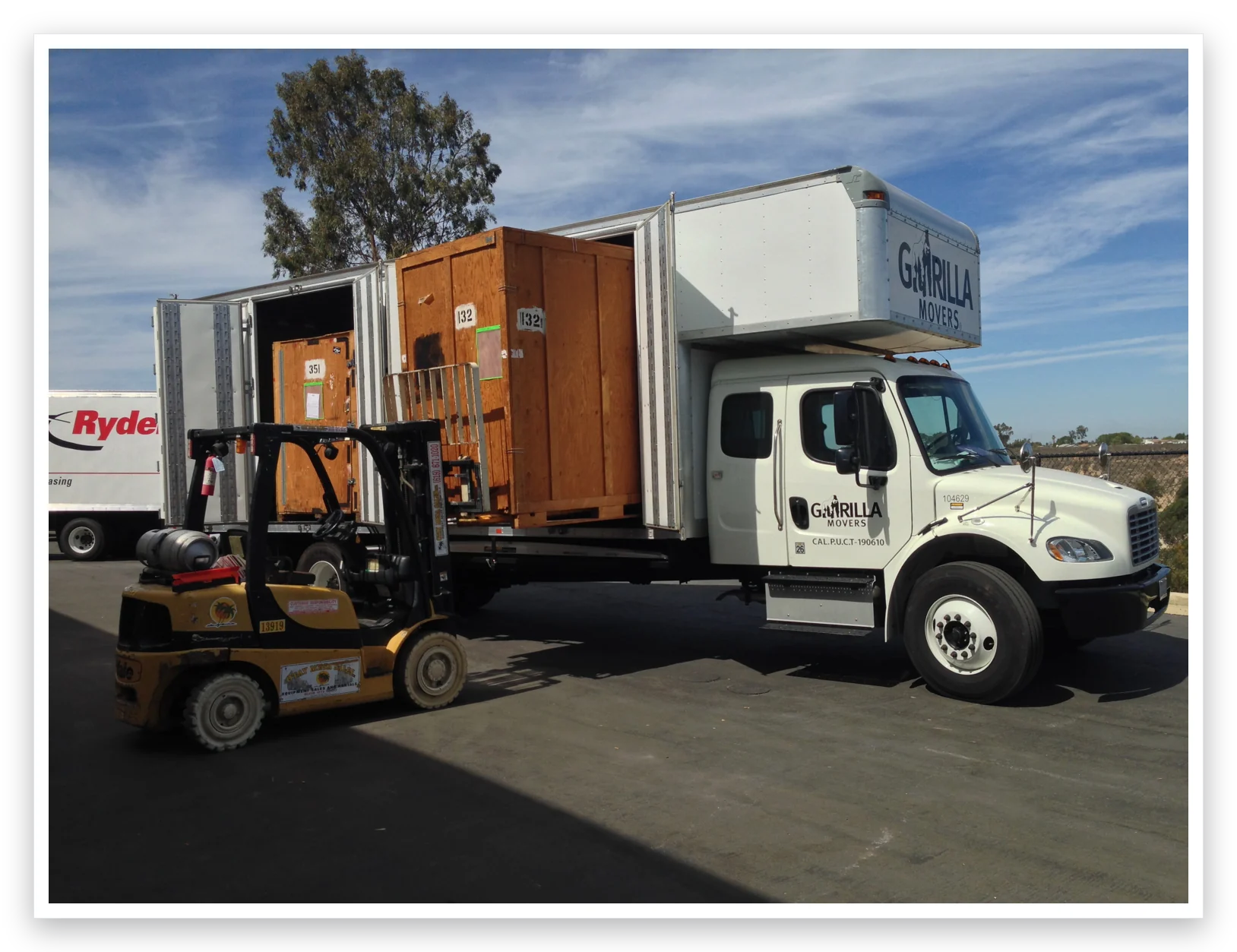
Ask any facility three things: the actual temperature and humidity ranges they maintain (a real answer has numbers), whether units are interior to a managed building, and what security rides along, surveillance, alarms, fire protection. Our storage vaults live inside our Miramar warehouse with all of the above, and pickup and redelivery are part of the service, so sensitive pieces are wrapped by a crew and never sweat in a parking lot between truck and unit.